
Grieving Change
A Long Overdue Post


A few months ago my father died. I did the stoic and efficient thing we have grown to accept, blocking off about three weeks of time to process all of the grief and get myself together. Having helped others through the grieving process for loved ones, for jobs lost, for relationships ended, and beloved animals put to rest, I knew the process would not be linear, but was not going to let that stop me from my self-delusion. I was going to put it on a schedule, feel it so deeply and mourn so hard that the grief had no choice but to expend itself and dissipate. There were multiple other crisis ongoing in my life that needed to be dealt with, so time was of the essence to get over the emotional hurdle of grieving.
I am happy to report to you that it worked. I booked a 15 passenger van for the trip down to Fort Worth, Texas, told my children, worked really hard until the week before and threw out my back. It turns out, if you suppress emotion, pain, and stress it will still come out and affect your life. Neither you, nor I am surprised by this. Still, it is ironically funny how I imagine myself immune to the natural laws and customary experiences of others. It is almost as though, because I know the science of something, I believe I am no longer susceptible to the reality of that thing.
Honestly though, I am still dealing with grief. I am still processing the sadness and loss. I am thinking through conversations I need to have with my dad and having to pretend to be him in my internal responses because he is not here to provide his own counter-argument.
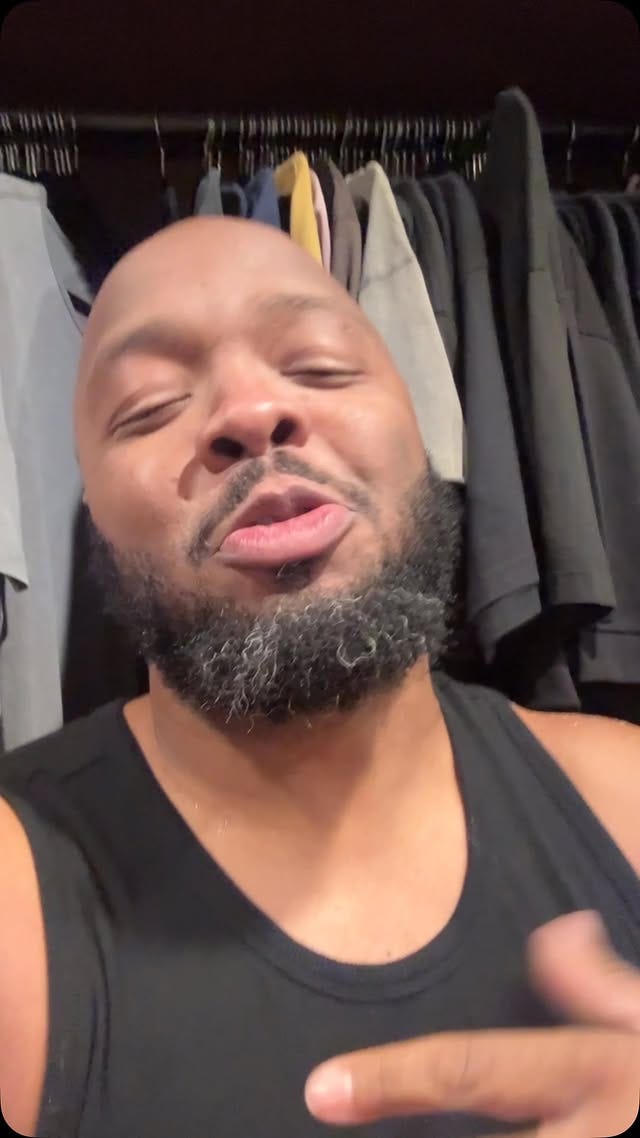
There are certain jokes, insights, and feelings that only one person brings out of you. You can sit in a group of people and then that one person will show up and you begin to remember things about your week or month - things you wanted to bounce off of them, things you wanted to laugh with them about, things that remind you of other experiences the two of you had in the past. Kevin Fredricks sums it up beautifully in the video below:
If you are with people sensitive or competitive for your affection, those sensitive people might have a tendency to get offended or hurt that you did not tell them about the moment or incident that you shared with your friend. This is unfortunate because this is the way relationships work. Rather than seeing your sharing as an omission, they can choose to see your relationship as your opportunity to come alive even further and be even more expansive, joyful and free. Life is complex.
A fortunate benefit of living in the area I do, is having access to a service that enables people to meet with a group therapist or one on one to process grief and loss. Fox Valley Hands of Hope is unique and possibly the only organization of its type for hundreds of miles around. Either way, I immediately contacted them and was connected with a therapist who has helped me hit my grief head on. My support system has also been a major source of knowledge, reminding me to hold the loss close rather than running away from it or pretending it has not occurred. The poet, essayist and thinker Hanif Abdurraqib spoke so deeply about his own experience with grief and death recently and it resonated with me:
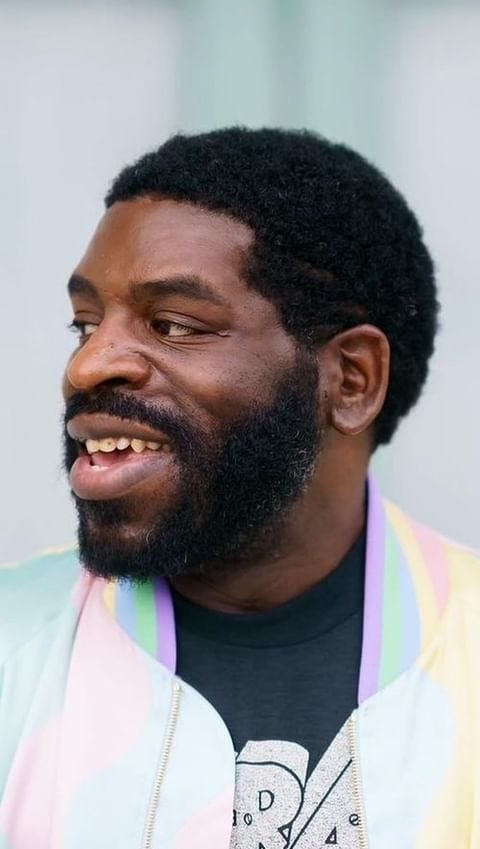
Every day I grieve in new ways and discover folds and crevices, waves and washing. In another interview, Hanif speaks movingly about the process and spiritual practice of grief. Listen or read here. Sometimes we are better and sometimes we are not okay.
Some years ago, when I was an avid Twitter user, I stumbled on a thread by a person who was questioning notions of comfort, in tandem with the idea of death and dying. They were referred to historical practices of sitting up overnight with the deceased. From their research, they shared how death, and specifically dead bodies, have been removed from our collective experience, just like the origin of the meat we consume. Think about it. Rare indeed is the person who knows exactly what field or pasture their meal originated from. We do not touch animal carcasses, except for the rare and tragic moments when a family pet departs from our lives. We certainly do not touch our handle our dearly departed loved ones.
I don’t have much commentary on whether this is a good or bad thing. I think because of the professionalization of dealing with the dead our world is much more hygienic and sanitary. However, yin has its yang and in most of our gains and advances there is also something lost. I would suggest that loss is in dealing with the nature, substance and impact of death and dying. Because dead bodies are rapidly removed from our view, we grapple less with our own mortality and finitude. We are spared from holding and deeply knowing the changes that are guaranteed to impose themselves on our own bodies.
So, we view change as something foreign. We think of it as an experience that will happen to other people, other families, in other cities and other parts of the world. We read news accounts of thousands killed in Gaza, hundreds dying in famine, dozens lost in an airplane crash or the many killed on a city street or a school shooting and it feels foreign, removed - theoretical.
“In our Western culture, although death has come out of the closet, it is still not openly experienced or discussed. Allowing dying to be so intensely present enriches both the preciousness of each moment and our detachment from it…. We’re all just walking each other home.” - Ram Dass
Change is all around us and some changes are eternal. Luckily, grief is not forever. It fades with time, though it never entirely abandons us. The grief serves as a reminder of the beauty that existed, the good times we had, the impact of getting to know and walk with a human all the way home.